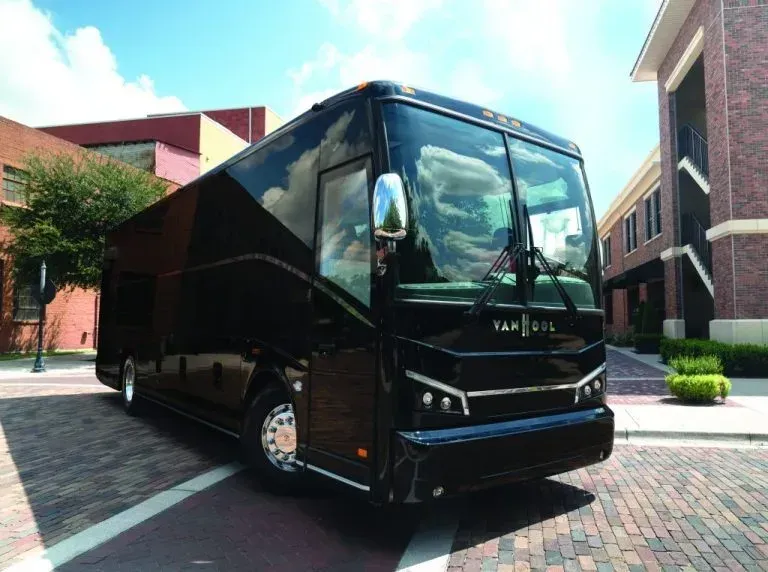
Managing transportation for a large group can rapidly become a complicated undertaking when numerous schedules, pickup plans, and travel expectations must be considered. Whether the event includes business functions, family occasions, group excursions, or special celebrations, making sure everyone arrives together and on schedule requires careful preparation. An effective transportation plan helps prevent misunderstandings, limits delays, and contributes to a smoother experience for everyone involved. By focusing on the critical factors involved in group transportation planning, organizers can create an efficient travel experience throughout the entire trip.
When numerous travelers journey together, transportation extends beyond basic passenger movement between locations. It serves as an essential element of the overall occasion. Proper coordination helps maintain schedules, improves communication among participants, and contributes to a more comfortable journey. At A1 Quality Express Limousine, we recognize the value of providing structured transportation solutions that allow groups to travel comfortably and confidently.
Plan Transportation Ahead of Time
Efficient group transportation begins by planning early. Postponing transportation decisions until the last moment can limit flexibility and make accommodations more challenging. Organizers should begin by determining the number of passengers, travel dates, estimated departure times, and destination requirements. Gathering this information early creates a solid foundation for making transportation arrangements that support the event's overall schedule.
Forward-thinking preparation allows planners to detect issues before they become significant problems. Event schedules, transportation logistics, accessibility considerations, and roadway conditions all play a role in shaping transportation plans. By managing these considerations early, planners can create a transportation approach that promotes efficient group travel. Detailed preparation often contributes to smoother journeys and reduced disruptions.
Understand the Specific Size and Needs of the Group
A critical transportation planning task is evaluating the number of participants and their specific requirements. Accurate passenger counts help ensure the appropriate vehicles are selected and prevent overcrowding or underutilized transportation resources. Attendance estimates should be confirmed early and adjusted as necessary as arrangements progress.
Apart from determining group size, attention should be given to the unique needs of participants. Different passengers may require additional baggage capacity, accessibility accommodations, or other forms of assistance. Understanding these details allows transportation arrangements to be customized accordingly. Taking the time to gather comprehensive information helps create a more comfortable and efficient experience for all passengers.
Design a Well-Organized Transportation Schedule
A detailed transportation plan works as a reference point for everyone involved. Planners should specify departure schedules, pickup points, travel durations, arrival goals, and any scheduled stops. Well-structured scheduling minimizes confusion and ensures all participants know their exact timing and place. Strong consistency and clear planning are vital when organizing transportation for bigger groups.
Communication plays a significant role in making schedules effective. Travelers should receive full transportation instructions before the event starts. Sharing travel details through various platforms helps keep everyone aligned. Clear expectations help transportation operations function more effectively and smoothly.
Create Unified Pickup and Drop-Off Locations
Organizing numerous pickup areas often increases logistical difficulty for large groups. Central pickup and drop-off points should be used whenever they improve convenience for participants. Unified gathering points improve boarding efficiency and reduce unnecessary delays. This approach improves communication flow and strengthens overall efficiency.
These locations simplify passenger tracking before the journey begins. Group coordinators can confirm attendance, provide updates, and address concerns before departure. An organized system helps ensure readiness and schedule adherence. Clear meeting points contribute significantly to a well-coordinated travel experience.
Emphasize Clear Communication Across the Entire Process
Reliable communication is essential for successful transportation management. Participants must be kept informed of schedules, instructions, and any adjustments. Accurate communication reduces confusion and helps passengers prepare properly. Strong communication supports both efficiency and passenger satisfaction.
Coordinators should set up consistent communication methods for all updates. Group messaging systems, email notifications, and designated contact persons can help ensure information reaches all participants quickly. Communication consistently serves as the unifying factor in organized group travel transportation. Regular updates help maintain trust and reduce interruptions during travel.
Plan for Unexpected Circumstances
Even the most carefully planned transportation arrangements can encounter unexpected circumstances. Weather conditions, traffic congestion, schedule adjustments, and participant delays may require quick decision-making. Incorporating adaptability helps ensure smooth responses to unexpected events. Good preparation improves resilience during unexpected changes.
Emergency planning should involve alternate communication methods, route options, and responsible contacts. Prepared systems help reduce stress and maintain order during disruptions. Anticipatory planning keeps operations effective even when changes occur.
Highlight Comfort and Ease for Travelers
The comfort of travelers strongly influences the journey experience. Long travel durations for groups increase the importance of comfort and convenience. Comfortable seating, structured boarding, and a well-managed environment contribute to a positive travel experience. Travelers who feel comfortable are more likely to enjoy the experience and arrive ready for their planned activities.
Ease of travel contributes significantly to successful coordination. Simplified processes help avoid confusion and delays for passengers. When transportation is thoughtfully organized, travelers can focus on enjoying the event rather than worrying about logistics. Convenient travel arrangements support a more successful overall experience.
Rely on Experienced Transportation Teams
Coordinating transportation for large groups involves many moving parts, making professional support a valuable resource. Skilled transport professionals understand scheduling, passenger flow, and efficient operations. Their expertise can help organizers navigate complex logistics while ensuring transportation plans remain organized and reliable.
Professional transportation teams often bring valuable insights that improve overall coordination. Familiarity with large-group travel allows professionals to foresee challenges and offer guidance. By relying on professional experience, planners can focus on the event while logistics are handled carefully.
Include Transportation as an Event Component
Transportation should be considered part of the event rather than just a way to travel. Coordinated travel allows guests to start experiencing the event early. When well organized, transportation enhances the overall experience and creates a welcoming environment.
At A1 Quality Express Limousine, we are committed to thoughtful planning, clear communication, and passenger-focused service. With the right approach, coordinating large-group travel can be simple and efficient. Strong organization and preparation create smooth journeys that support event success. We are proud to provide seamless travel experiences that give passengers confidence and ease.